
- 1. Pain or Tenderness at the Back of Your Mouth
- 2. Swollen, Tender, or Bleeding Gums Near the Back of Your Mouth
- 3. Jaw Pain, Aches, or Headaches
- 4. Difficulty Fully Opening or Closing Your Mouth
- 5. Swelling Around the Jaw
- 6. Chronic Bad Breath or an Unpleasant Taste That Does Not Resolve
- 7. Decay or Sensitivity in a Neighbouring Tooth
- 8. A Feeling That Your Teeth Are Shifting or Becoming More Crowded
- 9. Your Dentist Identifies a Concern on an X-Ray, Even Without Symptoms
- Why It Is Worth Acting on These Signs Rather Than Waiting
- What Happens at a Wisdom Teeth Consultation
- Frequently Asked Questions
- Experienced Wisdom Teeth Care in Uxbridge and Durham Region
Wisdom teeth do not always announce themselves loudly. Some people sail through their eruption without a single symptom. Others experience a slow build-up of discomfort that is easy to dismiss as something else entirely, a headache, a sinus issue, or just normal jaw tension. Knowing what to actually watch for can help you catch a problem early, before it becomes a more complicated and uncomfortable situation.
Here are nine signs that suggest it may be time to have your wisdom teeth evaluated by a specialist.
1. Pain or Tenderness at the Back of Your Mouth
This is the most obvious sign, and usually the one that prompts people to act. Pain near the very back corners of your mouth, where your wisdom teeth are located, often indicates that a tooth is struggling to erupt properly or is impacted against the jaw bone or a neighbouring tooth. The discomfort can range from a dull ache to a sharp, persistent pain, and it may come and go before becoming more constant.
2. Swollen, Tender, or Bleeding Gums Near the Back of Your Mouth
When a wisdom tooth is partially erupted, a flap of gum tissue often covers part of the tooth. This area is notoriously difficult to clean and becomes a magnet for trapped food and bacteria. The result is frequently swollen, tender, or bleeding gum tissue around the partially visible tooth, a condition called pericoronitis. If this area also feels warm to the touch or appears red, it is worth having assessed promptly.
3. Jaw Pain, Aches, or Headaches
Wisdom teeth that are impacted or pushing against the jaw bone can cause a dull, radiating ache that extends beyond the tooth itself into the jaw joint and surrounding muscles. Because the pain is not always localized to the back of the mouth, many people initially attribute it to tension headaches or jaw clenching rather than connecting it to their wisdom teeth.
4. Difficulty Fully Opening or Closing Your Mouth
If you have noticed stiffness, restricted movement, or discomfort when trying to open your mouth wide, this can be a sign of inflammation or infection around an impacted wisdom tooth affecting the surrounding muscles and tissue. This symptom often develops gradually and may be more noticeable when eating or yawning.
5. Swelling Around the Jaw
Visible swelling along the jawline, particularly near the back of the mouth, can indicate that an infection has developed around an impacted or partially erupted wisdom tooth. This is generally a sign that the situation has progressed beyond mild irritation and warrants prompt attention from a specialist.
6. Chronic Bad Breath or an Unpleasant Taste That Does Not Resolve
Persistent bad breath or a lingering unpleasant taste in the mouth, even after brushing, can be caused by bacteria and debris trapped around a partially erupted wisdom tooth. Because the area is difficult to clean effectively at home, the problem tends to persist despite normal oral hygiene efforts, which is itself a clue that something specific is going on rather than a general hygiene issue.
7. Decay or Sensitivity in a Neighbouring Tooth
This is one of the more easily overlooked signs, because the symptom often shows up in a tooth other than the wisdom tooth itself. When a wisdom tooth is angled improperly or only partially erupted, it creates a tight, hard-to-clean space against the adjacent molar. Food and bacteria accumulate in that space, frequently leading to decay in the neighbouring tooth, a tooth that might otherwise have remained perfectly healthy. If your dentist identifies decay on the molar next to your wisdom tooth, it is often a strong indicator that the wisdom tooth itself needs attention.
8. A Feeling That Your Teeth Are Shifting or Becoming More Crowded
As an erupting wisdom tooth pushes against the teeth in front of it, that pressure can gradually translate into a feeling of crowding toward the front of your mouth. If you have noticed your teeth feeling tighter than usual, or if you have previously had orthodontic treatment and feel your teeth are shifting from their corrected positions, an erupting wisdom tooth may be the underlying cause.
9. Your Dentist Identifies a Concern on an X-Ray, Even Without Symptoms
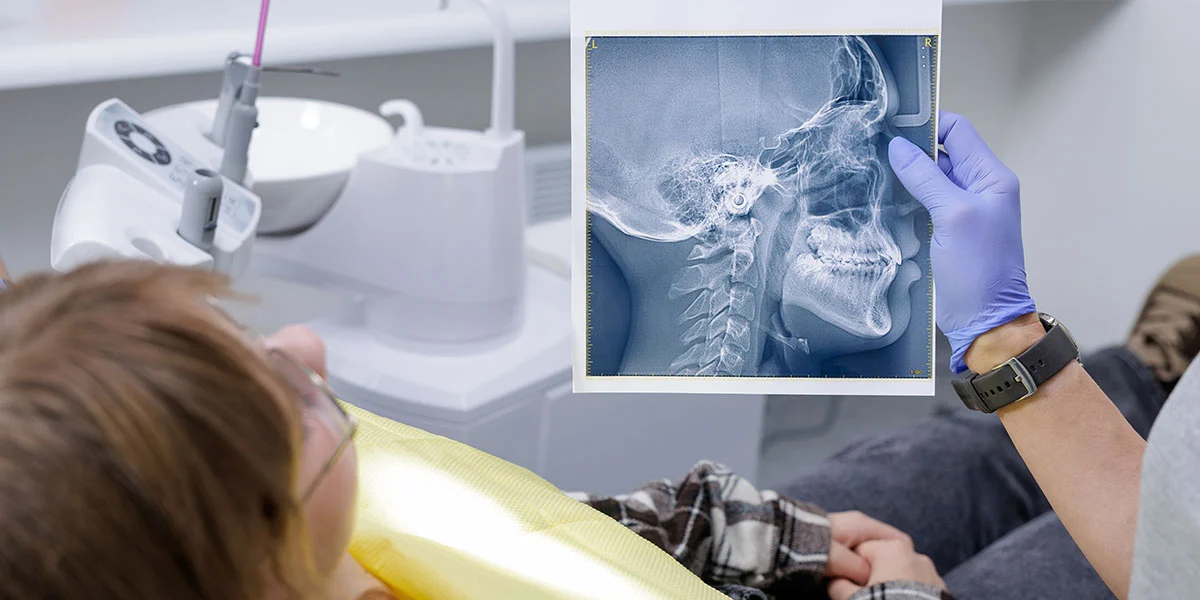
This is perhaps the most important sign on this list, because it is the one you cannot detect yourself. A wisdom tooth can be causing real, ongoing damage to neighbouring teeth, surrounding bone, or even developing a cyst, without producing any noticeable pain or symptoms at all. This is why your dentist may recommend removal even when you feel completely fine. Trusting this recommendation, rather than waiting for symptoms to appear, is often the difference between a straightforward removal and a more complicated one down the road.
Why It Is Worth Acting on These Signs Rather Than Waiting
It can be tempting to wait and see whether symptoms resolve on their own, particularly when the discomfort is mild or intermittent. Unfortunately, the underlying causes of these symptoms, impaction, poor positioning, insufficient room to erupt, do not resolve with time. In most cases, the situation gradually worsens rather than improves.
There is also a practical consideration worth knowing. Wisdom teeth removed in the late teens or early twenties are generally easier to extract and heal faster than those removed later in life, when the roots are more fully developed and more deeply embedded in the jaw bone. Addressing a problematic wisdom tooth sooner rather than later often means a simpler procedure and a smoother recovery.
What Happens at a Wisdom Teeth Consultation
If you are experiencing any of the signs above, the next step is a consultation with an oral surgery specialist. This typically begins with a review of your medical history, a clinical examination, and a panoramic x-ray, which provides a clear picture of each wisdom tooth’s position, the development of its roots, and its relationship to surrounding structures such as nerves and sinuses. Your specific situation is then discussed in detail, including the recommended approach, the available anaesthesia options, and what to expect from the procedure and recovery.
Frequently Asked Questions
Wisdom teeth most commonly begin to cause symptoms in the late teens to early twenties, as they attempt to erupt. However, signs and complications can appear later in adulthood as well, particularly if a wisdom tooth remains impacted for an extended period.
Yes, and this is one of the more important things to understand about wisdom teeth. Damage to neighbouring teeth, bone, and surrounding structures can occur silently, which is why your dentist may recommend removal based on an x-ray even when you have no symptoms.
The most common consequences of delayed treatment include decay in neighbouring teeth, infection of the surrounding gum tissue, the spread of infection to the jaw or face, crowding of the front teeth, and in rare cases, the development of a cyst that can damage the jaw bone. The procedure to address these complications later is also generally more involved than removal would have been earlier.
Yes. Many patients experience intermittent discomfort that flares up, settles down, and then returns later, sometimes in response to a minor infection around the tooth flaring up and subsiding. Intermittent symptoms do not mean the underlying issue has resolved, and they are still worth having evaluated.
No. Some wisdom teeth erupt fully, sit in a healthy position, and can be cleaned effectively, causing no problems at all. Removal is generally recommended when a tooth is impacted, poorly positioned, causing symptoms, or at risk of causing damage to neighbouring teeth or structures, rather than as an automatic step for everyone.
Experienced Wisdom Teeth Care in Uxbridge and Durham Region
At Uxbridge Dental Specialists, our oral surgery specialist evaluates and treats wisdom teeth at every stage, using modern equipment and the full range of anaesthetic options to ensure your comfort throughout. If you have noticed any of the signs above, we encourage you not to wait.
Serving patients from Uxbridge, Port Perry, Whitby, Ajax, Stouffville, Pickering, and across Durham Region and York Region.
(905) 852-2122 | info@uxbridgeds.com | 49 Main St S, Uxbridge, ON L9P 1J4
Office Hours: Tuesday to Friday, 9:00am to 4:00pm