
If your dentist has referred you for wisdom tooth removal, one of the first questions you probably have is a practical one: how long am I actually going to be out of commission? It is one of the most searched questions about wisdom teeth, and for good reason. Recovery time affects when you can return to work or school, what you can eat, and how you plan the days around your procedure.
The honest answer is that it depends, but not in a vague or unhelpful way. Recovery from wisdom tooth removal follows a fairly predictable timeline, and the specifics depend on a few key factors we will walk through below.
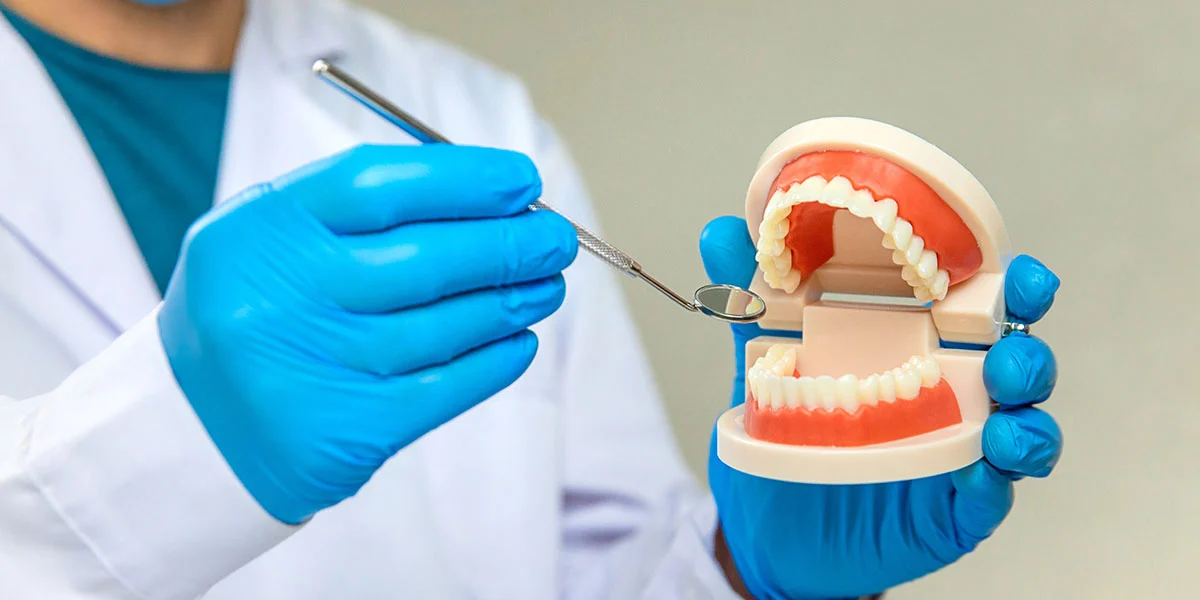
The General Recovery Timeline
For most patients, wisdom tooth recovery follows a pattern that looks roughly like this.
The first 24 hours
The first day after your procedure is when you will notice the most swelling, and often the most discomfort. Some bleeding or oozing from the extraction site is normal during this window. Rest is the priority. Most patients spend this day at home, keeping their head elevated, applying ice to manage swelling, and sticking to soft, cool foods.
Days 2 to 3
Swelling typically peaks around the second day after surgery before it begins to subside. This can feel discouraging if you were expecting steady improvement from day one, but it is a normal part of the healing process. Discomfort is usually well managed with the pain relief plan provided by your oral surgeon.
Days 4 to 7
Most patients see a noticeable improvement during this window. Swelling continues to decrease, jaw stiffness eases, and the extraction site begins to heal over. Many people feel comfortable returning to light activities, school, or desk-based work somewhere within this period, though this varies depending on the complexity of the extraction.
Weeks 2 to 3
By this point, most of the visible swelling and discomfort has resolved. The gum tissue at the extraction site continues to heal beneath the surface, though it may not look completely closed yet.
Full healing
Complete healing of the bone and soft tissue at the extraction site can take several weeks to a few months, though this happens well in the background of normal daily life. By the time you reach this stage, you will likely have forgotten the procedure happened at all.
What Affects How Long Your Recovery Takes
Not every wisdom tooth removal is the same, and recovery time varies based on several factors that your oral surgeon will discuss with you at your consultation.
Whether the tooth was impacted
A wisdom tooth that has erupted normally and is fully visible above the gum line is generally more straightforward to remove and tends to involve a shorter recovery than a tooth that is impacted, meaning it has not fully emerged and is partially or fully trapped beneath the gum or jaw bone.
The position and depth of the tooth
Teeth that are angled awkwardly, positioned close to nerves, or deeply embedded in the jaw bone typically require a more involved surgical approach, which can extend the initial recovery window.
How many teeth were removed
Removing all four wisdom teeth in a single appointment is common and often more efficient than separate procedures, but it does mean managing swelling and discomfort on both sides of the mouth simultaneously, which can make the first few days feel more intense.
Your age
Wisdom teeth removed in the late teens or early twenties tend to heal faster than those removed later in adulthood. This is one of the most practical reasons oral surgeons often recommend addressing problematic wisdom teeth sooner rather than later, even before they cause symptoms.
Your overall health and how closely you follow post-operative instructions
Smoking, certain medical conditions, and not following the after-care instructions provided by your oral surgeon can all extend recovery time and increase the risk of complications.
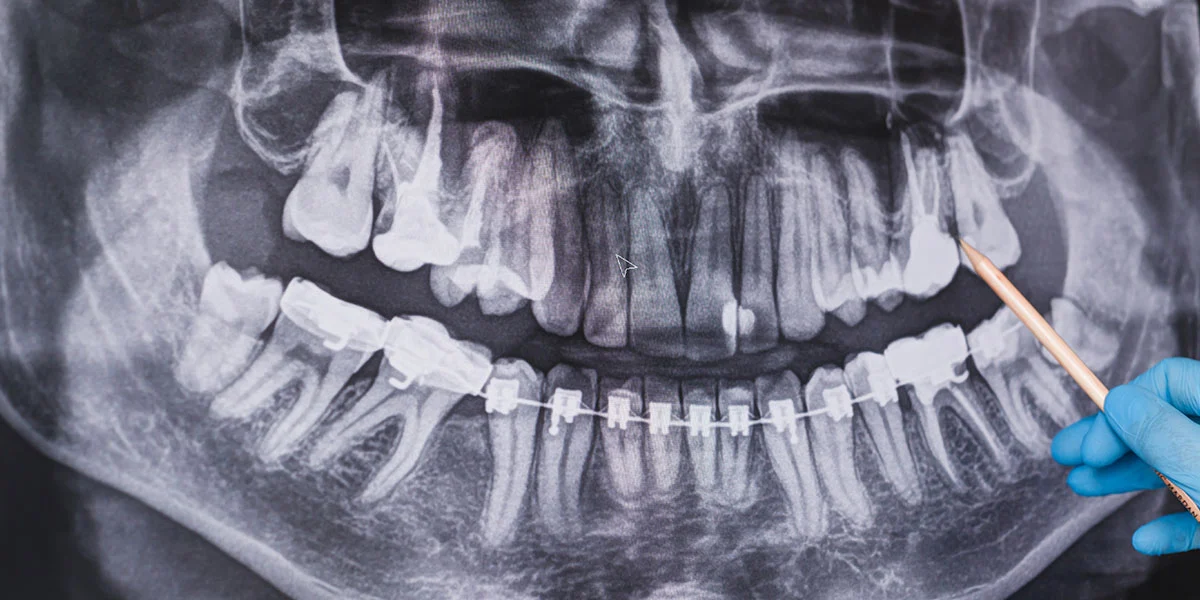
What You Can Do to Support a Smoother Recovery
A few simple habits in the days following your procedure make a meaningful difference in how quickly and comfortably you heal.
Rest is genuinely important in the first 24 to 48 hours. This is not the time to push through a normal schedule. Applying ice intermittently during the first day helps manage swelling before it peaks. Sticking to soft, cool, or room-temperature foods such as yogurt, mashed potatoes, smoothies, and soup avoids irritating the extraction site, while avoiding hot foods, hard foods, and using a straw, which can dislodge the healing tissue and lead to a painful complication known as dry socket.
Gently rinsing with warm salt water, starting the day after your procedure, helps keep the area clean without disrupting healing. Avoiding smoking for as long as possible after your procedure significantly reduces the risk of complications and supports faster healing. Taking any prescribed or recommended pain medication on the schedule provided, rather than waiting until discomfort becomes significant, generally keeps you more comfortable throughout the process.
When to Be Concerned
Most wisdom tooth recoveries proceed smoothly, but it is worth knowing what is not normal. Contact your oral surgeon promptly if you experience worsening pain several days after your procedure rather than gradual improvement, a fever, significant swelling that continues to increase rather than subside, persistent or heavy bleeding that does not respond to gentle pressure, or numbness in the lip, chin, or tongue that does not begin to improve. These can be signs of infection, dry socket, or another complication that warrants prompt attention.
Sedation and Recovery: What to Expect
If your wisdom tooth removal was performed with IV sedation or general anaesthesia, your recovery timeline for the surgical site itself is the same as outlined above. However, you should also expect a brief period of grogginess as the anaesthetic wears off, typically resolving within the first day. Patients who receive sedation or general anaesthesia need a responsible adult to drive them home and should plan for a quiet, restful day immediately following the procedure, separate from the longer surgical site healing timeline.
Frequently Asked Questions
The initial swelling and discomfort tend to be more pronounced when all four teeth are removed at once, simply because more tissue is involved. However, the overall recovery timeline is similar, and most patients prefer addressing all of their wisdom teeth in a single appointment rather than undergoing the process multiple times.
Dry socket occurs when the blood clot protecting the extraction site is dislodged or fails to form properly, exposing the underlying bone and nerve. It is more painful than typical post-extraction discomfort and usually develops a few days after the procedure. Avoiding straws, smoking, and vigorous rinsing or spitting in the first few days significantly reduces the risk.
Yes. Swelling typically peaks around the second day after surgery before gradually subsiding over the following days. This is a normal part of the body’s healing response and is not a sign that something is wrong.
Many patients feel comfortable returning to desk-based work or school within two to four days, though this varies based on the complexity of your extraction and the nature of your daily activities. Physically demanding jobs may warrant a slightly longer break.
Most patients return to a fairly normal diet within a week to ten days, though it is generally wise to avoid very hard, crunchy, or chewy foods for a few weeks while the extraction site continues to heal beneath the surface.
Experienced Oral Surgery Care in Uxbridge and Durham Region
At Uxbridge Dental Specialists, wisdom tooth removal is performed by an experienced oral surgery specialist using modern equipment, a gentle technique, and the full range of anaesthetic options, from local freezing to complete general anaesthesia. We take the time to walk you through exactly what to expect, both during your procedure and throughout your recovery, so that nothing about the process feels uncertain.
Serving patients from Uxbridge, Port Perry, Whitby, Ajax, Stouffville, Pickering, and across Durham Region and York Region.
(905) 852-2122 | info@uxbridgeds.com | 49 Main St S, Uxbridge, ON L9P 1J4
Office Hours: Tuesday to Friday, 9:00am to 4:00pm