
If your dentist has mentioned that you need a procedure called crown lengthening before you can get a crown placed, you may be wondering why an extra step is necessary, and what exactly is involved. It is a procedure most patients have never heard of until the moment they need it, and understanding what it does and why it matters can make the whole process feel far less unfamiliar.
What Is Crown Lengthening?
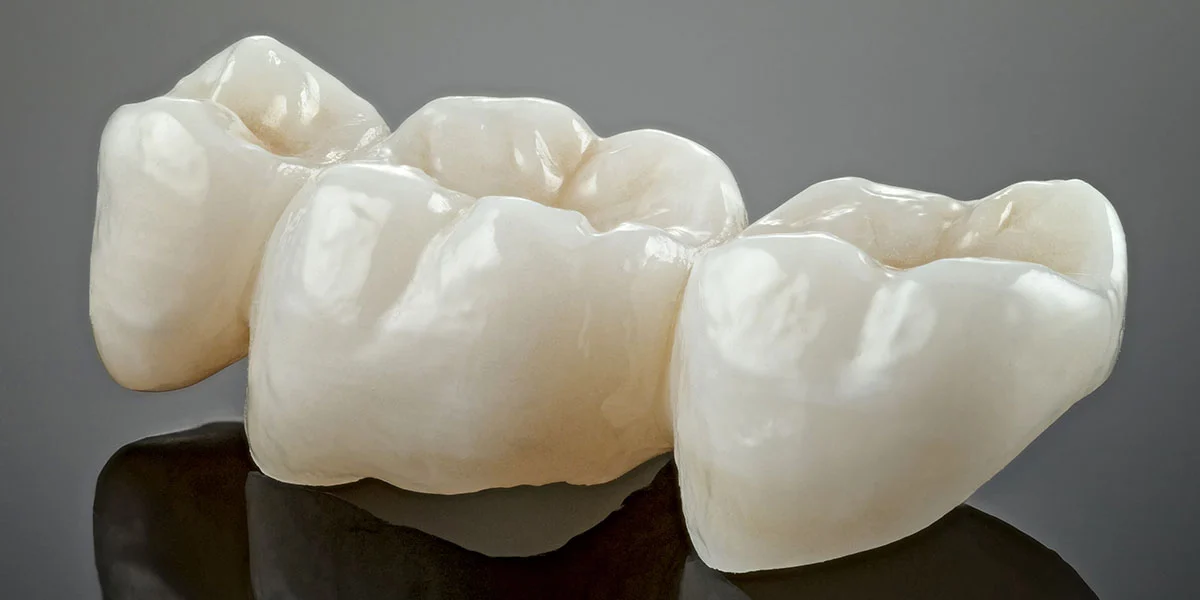
Crown lengthening is a periodontal procedure that involves carefully removing a small amount of gum tissue, and sometimes a small amount of underlying bone, from around a tooth. The goal is to expose more of the natural tooth structure above the gumline, creating the space a restorative dentist needs to properly fit and secure a crown, filling, or other restoration.
The name itself describes exactly what happens: the visible portion of the tooth, sometimes called the clinical crown, is effectively lengthened by adjusting the surrounding gum and bone level, even though the tooth itself does not actually grow. It is performed by a periodontist, a specialist in the structures that support and surround the teeth.
Why Would You Need This Procedure?
There are a few common situations where a dentist will recommend crown lengthening before proceeding with restorative treatment.
Not enough tooth structure is visible above the gumline
For a crown to be placed successfully, there needs to be enough healthy tooth structure exposed for the crown to grip onto securely. If a tooth has broken, decayed, or worn down significantly, especially near or below the gumline, there may simply not be enough structure remaining above the gum for a crown to attach to properly. Crown lengthening exposes the additional structure needed.
A tooth has fractured below the gumline
Sometimes a tooth fractures in a way that the break extends below the visible gumline. Restoring this tooth with a crown requires access to healthy tooth structure beneath where the gum currently sits, which crown lengthening provides.
Decay extends beneath the gum tissue
When decay has progressed below the gumline, a restorative dentist needs clear access to fully remove the decayed portion and properly seal the restoration. Crown lengthening creates that access.
Improving the appearance of a “gummy” smile
Crown lengthening is also sometimes performed for cosmetic reasons, when a person’s smile shows what is sometimes called excess gum tissue, making teeth appear shorter and more gum visible than typically desired. By adjusting the gum line, the procedure can create a more proportional and aesthetically balanced smile. This application is generally considered alongside a patient’s specific goals and is approached somewhat differently than the functional reasons described above.
How the Procedure Works
Crown lengthening is typically performed under local anaesthesia, and the basic steps are fairly consistent regardless of the specific reason for the procedure.
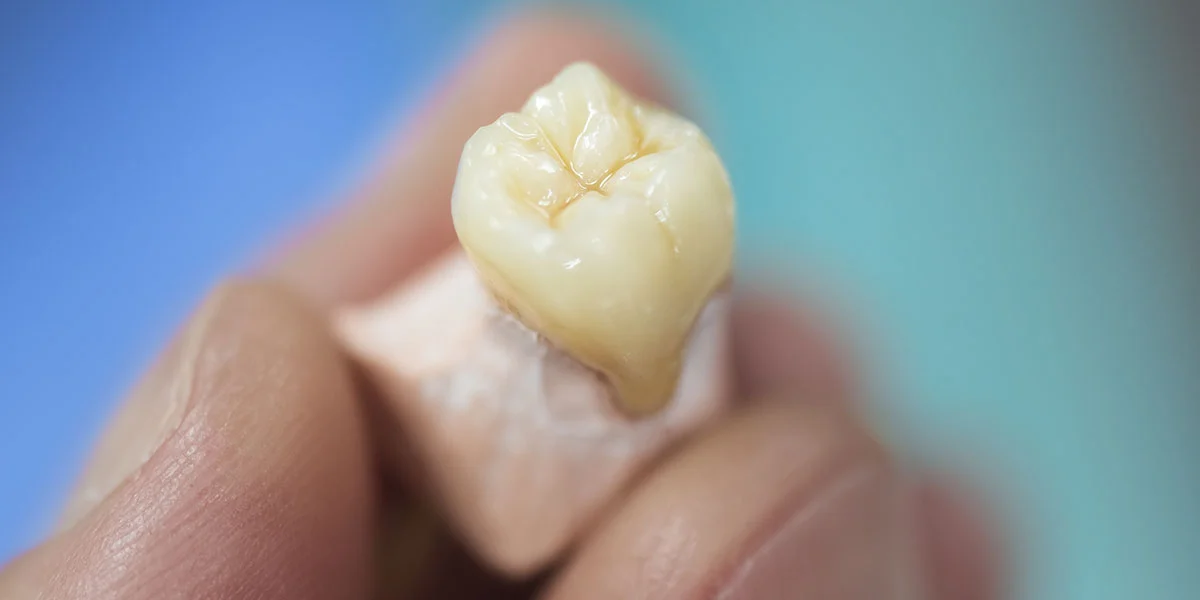
Your periodontist begins by carefully assessing the tooth or teeth involved and planning exactly how much tissue, and in some cases bone, needs to be adjusted to achieve the necessary exposure. The gum tissue surrounding the tooth is then gently reshaped, and if needed, a small amount of the underlying bone is reshaped as well to ensure the new gum position is stable and will not simply grow back to its original level. The tissue is then sutured into its new position, and the area is given time to heal before the final restoration, such as a crown, is placed.
In many cases, this is a single, relatively quick procedure performed at the periodontist’s office. The healing period before the final restoration can be placed is typically several weeks to a few months, allowing the gum tissue to settle and mature in its new position.
What Does Recovery Involve?
Recovery from crown lengthening is generally straightforward. Some mild swelling, tenderness, or sensitivity in the treated area is normal for the first few days and is typically well managed with over-the-counter pain relief. Your periodontist will provide specific guidance on oral hygiene around the treated area during the initial healing period, as well as any dietary recommendations to avoid irritating the surgical site while it heals.
Most patients return to their normal daily routine within a day or two, though the complete healing of the gum and bone tissue, which determines when the final crown can be placed, takes longer, generally a matter of weeks to a few months depending on the extent of the procedure.
Crown Lengthening and Sedation
For patients who experience dental anxiety or simply prefer additional comfort, crown lengthening can be performed with sedation or general anaesthesia in addition to standard local anaesthetic. This is worth discussing with your periodontist if the procedure itself, rather than the outcome, is the source of any apprehension you may feel.
Frequently Asked Questions
Yes. Depending on the extent of treatment needed, crown lengthening can be performed on a single tooth or across several teeth in the same area during one appointment. Your periodontist will determine the appropriate scope based on your specific situation.
Coverage varies by insurance plan and by whether the procedure is being performed for functional or primarily cosmetic reasons. Our team is happy to help you understand your specific coverage and what to expect before your procedure.
They use similar techniques, but the goals can differ. Functional crown lengthening is performed to create the structural access a restorative dentist needs for a crown or filling. Cosmetic gum recontouring is focused specifically on improving the appearance of the smile. In some cases, a single procedure can address both goals at once.
The gum tissue is repositioned to a new, stable level, and in most cases this change is permanent. The tooth itself does not grow, but more of its existing structure becomes visible. Your periodontist will discuss the expected aesthetic outcome with you in advance, particularly if cosmetic considerations are part of the reason for the procedure.
Healing time varies depending on the extent of the procedure, but it generally takes several weeks to a few months for the gum and bone tissue to fully stabilize before the final crown can be placed. Your periodontist and restorative dentist will coordinate to determine the right timing for your specific situation.
The procedure itself is performed under local anaesthesia, so discomfort during treatment is minimal. Some tenderness and mild swelling in the days following the procedure is normal and is generally well managed with standard pain relief. For patients who prefer additional comfort, sedation or general anaesthesia is also available.
Specialist Periodontal Care in Uxbridge and Durham Region
At Uxbridge Dental Specialists, our periodontal specialist performs crown lengthening with precision and care, working closely with your restorative dentist to ensure the best possible outcome for your crown or other restoration. The full range of anaesthetic options is available for patients who prefer additional comfort during the procedure.
Serving patients from Uxbridge, Port Perry, Whitby, Ajax, Stouffville, Pickering, and across Durham Region and York Region.
(905) 852-2122 | info@uxbridgeds.com | 49 Main St S, Uxbridge, ON L9P 1J4
Office Hours: Tuesday to Friday, 9:00am to 4:00pm