
It is one of the most common questions patients ask once they hear the words “gum disease” for the first time, and the answer matters a great deal because it shapes how urgently you should act. The good news is that the answer is not a simple yes or no. It depends entirely on which stage of gum disease you are dealing with, and understanding that distinction can make a significant difference in protecting your teeth for the long term.
The Short Answer
Gingivitis, the earliest stage of gum disease, is fully reversible with proper treatment and improved home care. Periodontitis, the more advanced stage that follows if gingivitis is left untreated, is not reversible in the sense that bone and tissue loss that has already occurred cannot be restored. However, periodontitis can be effectively managed and its progression halted with the right specialist care, preserving the remaining supporting structures and preventing further damage.
The distinction between these two stages is the key to understanding everything else about gum disease treatment, so let’s look at each one more closely.
Gingivitis: The Reversible Stage
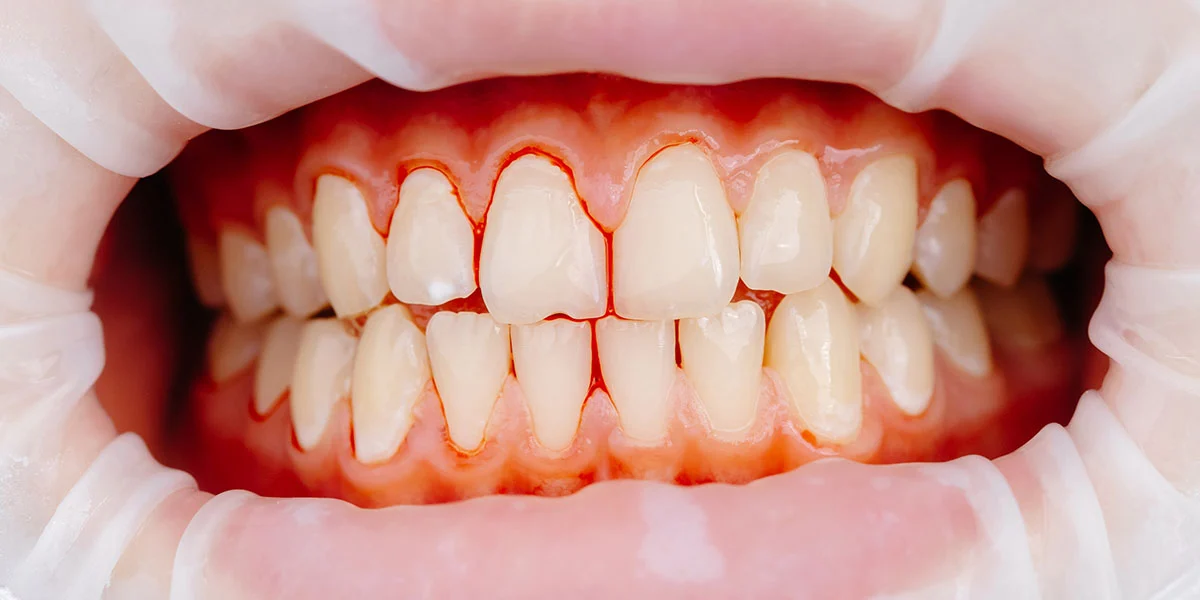
Gingivitis is inflammation of the gum tissue caused by a buildup of bacteria along the gumline. It typically presents as red, swollen, or tender gums, and gums that bleed when you brush or floss. At this stage, the infection has not yet spread to the bone and connective tissue that support your teeth.
This is the critical window. Because no permanent damage has occurred yet, gingivitis can be fully reversed with professional treatment, typically a thorough cleaning to remove the bacteria and plaque buildup, combined with improved daily brushing and flossing habits at home. Once the bacterial load is reduced and proper home care is established, the gum tissue heals, inflammation resolves, and the gums return to a healthy state.
Many people experience gingivitis at some point without realizing how reversible it is, which is exactly why catching it early matters so much.
Periodontitis: The Stage That Cannot Be Fully Undone
If gingivitis is left untreated, the bacterial infection progresses deeper, spreading below the gumline and beginning to affect the bone and ligaments that hold your teeth in place. This is periodontitis, and it represents a meaningful shift in the nature of the disease.
At this stage, the gap between the teeth and gums, known as the probing depth, deepens as the supporting structures pull away and deteriorate. This process, called recession, is not something that grows back on its own once it has occurred. The bone loss and tissue damage that periodontitis causes are permanent changes to the structures supporting your teeth.
This is why periodontitis is generally described as manageable rather than reversible. With appropriate periodontal treatment, the bacterial infection driving the disease can be brought under control, further bone and tissue loss can be halted, and the remaining healthy structures can be preserved and maintained for the long term. What cannot happen is a full return to the gum and bone levels you had before the disease progressed.
Why Catching Gum Disease Early Makes Such a Difference
The practical implication of all this is straightforward: the earlier gum disease is identified and treated, the better the outcome. A patient who addresses gingivitis promptly can expect a full return to gum health. A patient who allows the same condition to progress to periodontitis is instead looking at a long-term management plan designed to prevent further loss, rather than a cure.
This is also why regular dental checkups matter so much, even when nothing feels wrong. Gum disease does not always cause obvious symptoms, particularly in its earlier stages, and a periodontal assessment can identify changes in probing depth or early signs of inflammation well before you would notice anything yourself.
Signs of Gum Disease to Watch For
Knowing what to look for gives you the best chance of catching gum disease while it is still in the reversible stage. Common signs include red, swollen, or tender gums, gums that bleed during brushing or flossing, gums that appear to be pulling away from the teeth, persistent bad breath that does not resolve with brushing, a chronic unpleasant taste in the mouth, and teeth that feel loose or have shifted position. In some cases, particularly early on, there are no noticeable symptoms at all, which is why professional assessment is so valuable.
How Periodontal Treatment Works at Each Stage
Treatment is tailored to where the disease has progressed.
For gingivitis, treatment typically focuses on a thorough professional cleaning combined with clear, practical guidance on improved home cleaning techniques. This is usually sufficient to fully resolve the inflammation and restore healthy gum tissue.
For mild to moderate periodontitis, the focus shifts to a procedure called scaling and root planing, often referred to as deep scaling. This involves carefully removing plaque and calculus, also known as tartar, from the root surfaces of the teeth below the gumline, allowing the gum tissue to reattach and heal as much as possible. Halting the spread of infection at this stage is critical to preserving as much of the remaining healthy bone and tissue as possible.
For advanced periodontitis, where significant bone and tissue loss has already occurred, a more intensive treatment approach may be needed. A periodontal specialist will discuss the available options clearly, ensuring you understand what to expect and what the realistic goals of treatment are at this stage.
The Connection Between Gum Disease and Overall Health
Gum disease does not stay confined to your mouth. Research has identified meaningful links between untreated periodontal disease and several systemic health conditions, including cardiovascular disease, diabetes, and complications during pregnancy. The bacteria associated with gum disease can enter the bloodstream through inflamed gum tissue, contributing to inflammation elsewhere in the body. This is one more reason that addressing gum disease promptly matters well beyond the health of your teeth.
Can Gum Disease Be Prevented?
In most cases, yes. Consistent daily brushing and flossing, combined with regular professional cleanings, are the most effective tools for preventing gum disease from developing in the first place. Avoiding smoking, managing systemic health conditions such as diabetes, and maintaining a generally healthy diet all support gum health as well. For patients with a history of gum disease or a family history that suggests a genetic predisposition, more frequent professional monitoring is often recommended.
Frequently Asked Questions
Not necessarily. While periodontitis cannot be fully reversed, it can be effectively managed with appropriate treatment, often preserving the affected teeth for many years. The key is addressing it promptly and maintaining the treatment and home care plan recommended by your periodontal specialist.
Bleeding gums are one of the most common early signs of gingivitis and should not be ignored, but they are worth having assessed rather than assumed. A dental professional can determine whether the bleeding is related to gum disease or another cause, such as overly aggressive brushing technique.
This varies significantly between individuals and depends on factors such as oral hygiene habits, genetics, smoking, and overall health. Some people can have gingivitis for years without it progressing, while others may see faster progression. This is why early treatment and regular monitoring matter, regardless of how quickly you assume the condition might advance.
Improved home care helps prevent further damage and supports the success of professional treatment, but it cannot reverse the bone and tissue loss that periodontitis has already caused. Professional periodontal treatment is necessary to address the underlying infection and stabilize the condition.
The clearest way to know is through a professional periodontal assessment, which measures probing depths around each tooth and evaluates the condition of the supporting bone and tissue. Generally, if your gums are red, swollen, or bleeding but you have not noticed any looseness in your teeth or recession of the gumline, you may be in the gingivitis stage. A periodontist can confirm this and recommend the appropriate treatment.
Specialist Gum Disease Treatment in Uxbridge and Durham Region
At Uxbridge Dental Specialists, our periodontal specialist provides comprehensive prevention, diagnosis, and treatment of gum disease at every stage, from early gingivitis through advanced periodontitis, including deep scaling, root planing, and crown lengthening. For patients who prefer additional comfort, periodontal treatment can also be performed with sedation or general anaesthesia.
Serving patients from Uxbridge, Port Perry, Whitby, Ajax, Stouffville, Pickering, and across Durham Region and York Region.
(905) 852-2122 | info@uxbridgeds.com | 49 Main St S, Uxbridge, ON L9P 1J4
Office Hours: Tuesday to Friday, 9:00am to 4:00pm