
Few dental procedures carry a worse reputation than the root canal. It has become shorthand for dread, the punchline in jokes about unpleasant experiences, and for many patients, a genuine source of anxiety the moment their dentist mentions it. The problem is that this reputation does not reflect the reality of the procedure, and it causes real harm by leading people to delay treatment they need.
Let’s look at where this myth came from, what the evidence and modern practice actually show, and what you can genuinely expect if you need a root canal.
Where the Reputation Comes From
The fear surrounding root canals is not entirely irrational. Decades ago, before modern local anaesthetics, imaging technology, and precision instruments were widely available, root canal treatment was a more uncomfortable and unpredictable procedure. Patients of earlier generations passed down their experiences, and that reputation calcified into a cultural assumption that has outlived the reality it was based on.
There is also a more subtle reason the myth persists. The pain that leads someone to need a root canal in the first place, the throbbing, lingering sensitivity, and pressure of an infected or inflamed tooth, is often severe. Patients understandably associate that pain with the procedure itself, when in fact the procedure is what relieves it.
What the Procedure Actually Involves Today
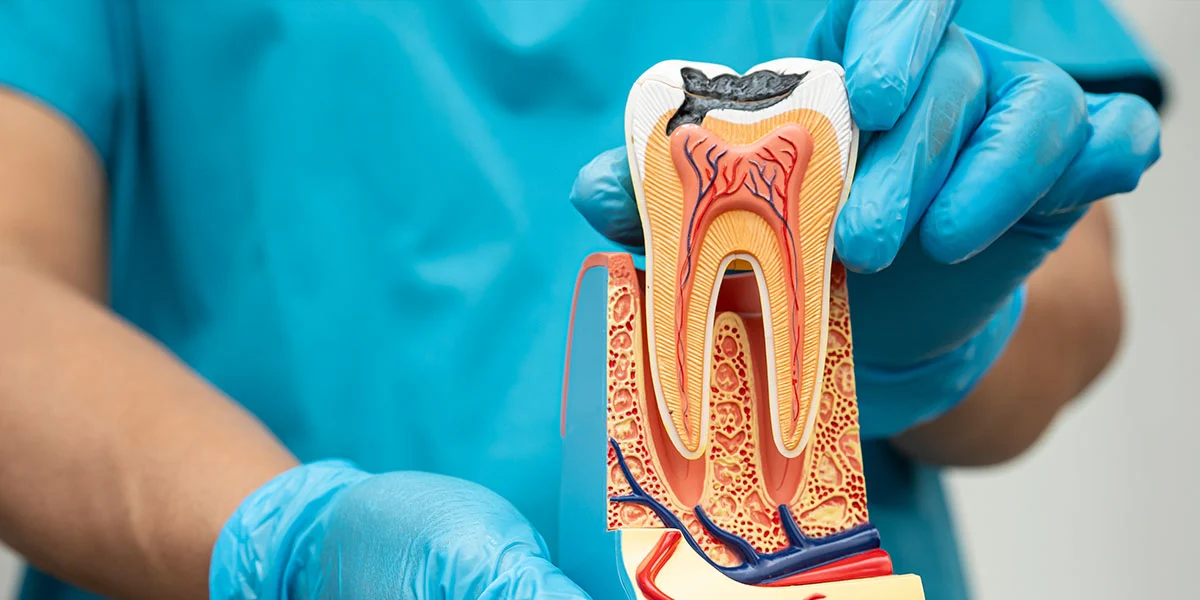
A root canal addresses inflammation or infection in the pulp, the soft tissue at the centre of a tooth containing nerves, blood vessels, and connective tissue. When this tissue becomes damaged, due to deep decay, a crack, repeated dental work, or trauma, it needs to be removed to save the tooth and stop the spread of infection.
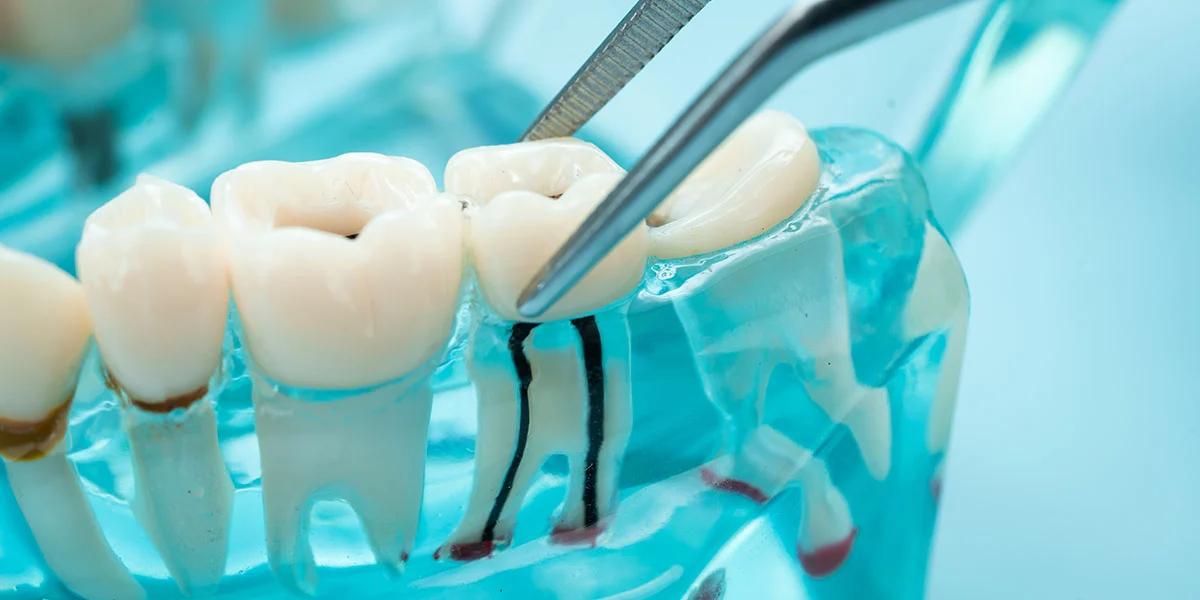
The procedure itself, in the hands of a skilled endodontic specialist, follows a precise, well-established process. Local anaesthetic is administered first, fully numbing the area before any treatment begins. A small opening is made in the crown of the tooth, and very fine, precisely calibrated instruments are used to clean out the affected pulp tissue. The canal is then carefully shaped, cleaned, filled with a biocompatible material, and sealed to prevent reinfection.
Because the area is thoroughly numbed throughout, patients typically describe the experience as similar to having a filling, a sensation of pressure and vibration, but not pain. Many patients are genuinely surprised by how unremarkable the experience turns out to be compared to what they had braced themselves for.
What the Evidence Actually Shows
Research consistently supports what endodontists see in practice every day. Multiple studies tracking patient-reported pain during and after root canal treatment have found that the procedure itself causes significantly less discomfort than popular perception suggests, and that the majority of patients rate the experience as comparable to or only slightly more uncomfortable than a routine filling.
The discomfort that does occur after a root canal is typically mild and short-lived. Some tenderness in the days following treatment is normal, as the tissue around the tooth settles after the procedure, and this is generally well managed with over-the-counter pain relief. Severe or worsening pain after a root canal is the exception, not the rule, and usually signals that something specific needs attention rather than being an expected part of recovery.
Why the Procedure Relieves Pain Rather Than Causing It
This is the part of the myth that gets things most backward. A root canal does not create pain. It eliminates the source of pain that already exists.
When the pulp of a tooth becomes infected or severely inflamed, the pressure and irritation inside the confined space of the tooth and surrounding bone is often intense. This is the deep, throbbing, sometimes unbearable pain that brings patients to an endodontist’s office in the first place. Removing the damaged tissue and addressing the infection directly relieves that pressure and pain. Patients frequently report that the moment of greatest relief in the entire experience is shortly after the procedure begins, once the source of their pain has been addressed.
Left untreated, that underlying infection does not resolve on its own. It typically worsens, potentially leading to a dental abscess, the spread of infection to surrounding tissue, and eventually the loss of the tooth. A root canal is what prevents that outcome.
What Mild Discomfort After a Root Canal Actually Feels Like
It would not be honest to suggest a root canal feels like nothing at all afterward. Some sensitivity or tenderness around the treated tooth for a few days following the procedure is common and entirely normal, similar to what you might feel after a filling or other restorative dental work. This typically responds well to over-the-counter pain relief and improves steadily day by day, rather than worsening.
This is a very different experience from the throbbing, persistent pain of an infected tooth before treatment. Most patients describe the post-procedure period as a relief, both from the original symptoms and from the anxiety they carried about the appointment itself.
Signs You May Need a Root Canal
Recognizing the symptoms that suggest you may need this treatment can help you seek care before the discomfort becomes severe. Common signs include persistent tooth pain, sensitivity to heat or cold that lingers well after the trigger is removed, tenderness when biting or chewing, visible discolouration of the tooth, and swelling or tenderness in the surrounding gum tissue. In some cases, there are no noticeable symptoms at all, and the issue is identified only through a routine dental x-ray, which is one of the best reasons to keep up with regular checkups.
If You Are Still Anxious, You Have Options
Even with a clear understanding that root canals are far more comfortable than their reputation suggests, it is completely normal to feel some anxiety about any dental procedure. That anxiety deserves to be taken seriously, not dismissed.
For patients who experience significant dental anxiety, have difficulty achieving adequate numbness with local anaesthetic, or simply prefer not to be aware of the procedure at all, root canal treatment can be performed under sedation or complete general anaesthesia. You do not need to push through discomfort or anxiety to get the care you need. There is a comfortable path available to you, regardless of how you feel about the procedure itself.
Frequently Asked Questions
The underlying infection or inflammation will not resolve on its own and typically worsens over time. This can lead to a dental abscess, the spread of infection, increasing pain, and eventually the loss of the tooth. Addressing the issue early generally leads to a more comfortable experience and a better outcome than waiting.
Yes. Root canal treatment can be performed with sedation or general anaesthesia for patients who prefer additional comfort or who experience significant dental anxiety. This ensures you can receive the necessary treatment regardless of how you feel about the procedure itself.
Yes. A sensation of pressure or vibration during the procedure is normal and expected, similar to what you might feel during a filling. The area is fully numbed with local anaesthetic, so this pressure should not translate into pain.
Most patients experience mild tenderness for a few days following treatment, which improves steadily and responds well to over-the-counter pain relief. Discomfort that worsens rather than improves after several days is not typical and should be discussed with your endodontist.
The reputation largely comes from outdated experiences before modern anaesthetics and technology were widely available, combined with the fact that patients associate the procedure with the pain of the infected tooth that brought them in, rather than recognizing that the procedure is what relieves that pain.
Expert, Comfortable Root Canal Treatment in Uxbridge and Durham Region
At Uxbridge Dental Specialists, our endodontic specialist brings nearly 20 years of experience to every root canal procedure, with a particular focus on regenerative endodontics. Every root canal we perform can also be completed with sedation or general anaesthesia for patients who want additional comfort. You do not have to be anxious about this procedure. We are here to make it as straightforward and comfortable as possible.
Serving patients from Uxbridge, Port Perry, Whitby, Ajax, Stouffville, Pickering, and across Durham Region and York Region.
(905) 852-2122 | info@uxbridgeds.com | 49 Main St S, Uxbridge, ON L9P 1J4
Office Hours: Tuesday to Friday, 9:00am to 4:00pm